
Published 29 January 2026
Trusted 6 Products Used in Antifungal Skin Care
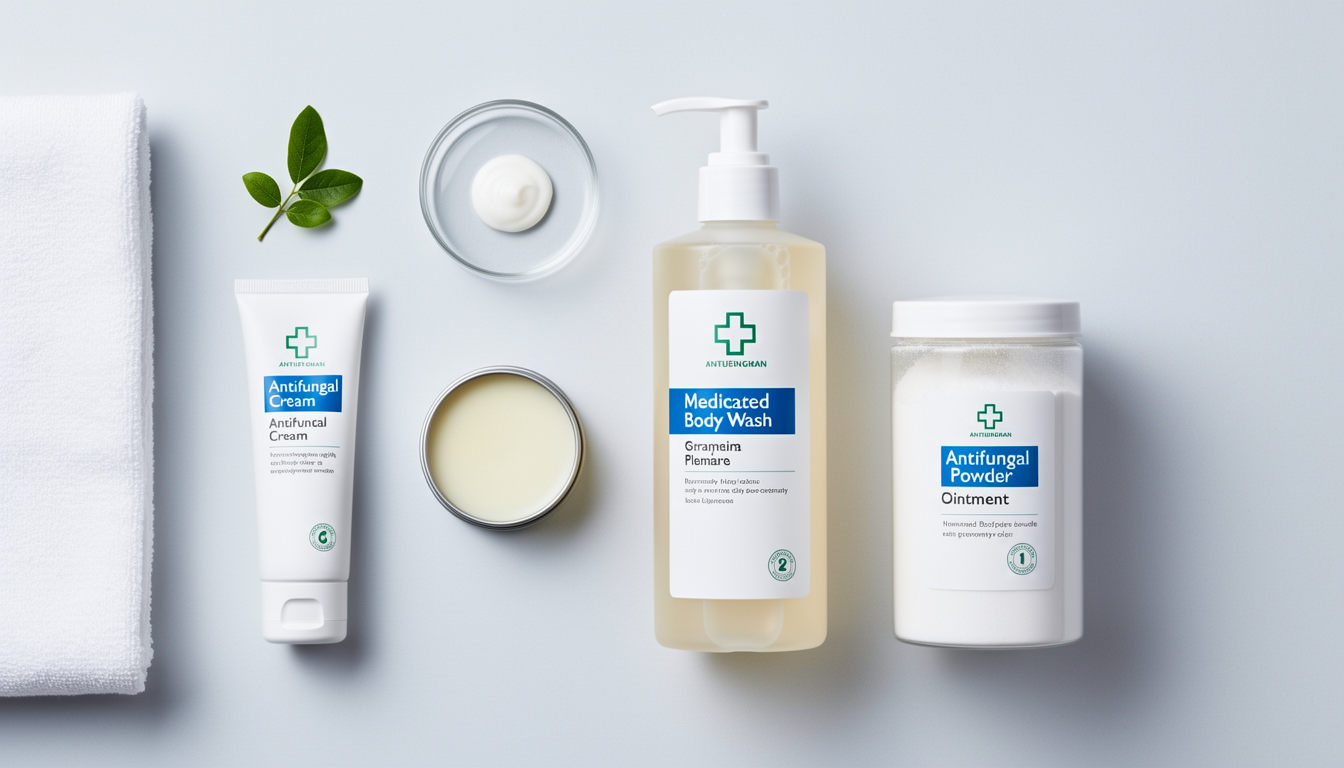
Fungal skin infections are common and can cause itching, irritation, and visible rashes. Picking the right treatment matters for symptom relief and for reducing the chance the infection comes back. This roundup reviews six widely used antifungal skin care products and the types of conditions they are typically used for.
1. EMUAIDMAX First Aid Ointment
If you need broad relief for stubborn skin problems, EMUAIDMAX First Aid Ointment is sold as a maximum-strength homeopathic topical with antibacterial and antifungal claims. It’s promoted for easing pain, inflammation, and symptoms from severe boils, eczema, psoriasis, and some fungal infections. The formula lists concentrated medical-grade ingredients such as Argentum metallicum (colloidal silver) as the homeopathic active, along with emu oil, tea tree oil, Bacillus Ferment, phytosphingosine, ceramide 3, and L‑Lysine HCL.
EMUAIDMAX contains higher levels of certain components than the regular formula—two times the Bacillus Ferment, ten times the tea tree oil, and fifty times the vitamin E. The manufacturer says a patented transdermal process called EMUTANEOUS helps pull those ingredients deeper into dry or damaged skin. A sponsored study cited by the maker reports rapid activity against bacteria, yeast, and mold, but because the product is marketed as homeopathic, those claims don’t align with mainstream scientific standards.
Many users report visible improvement; some notice relief quickly, while others see benefits for issues like toenail fungus after regular use. The ointment is formulated without artificial preservatives, lanolin, alcohol, parabens, steroids, petrochemicals, or added fragrance, and it’s marketed as non‑steroidal and suitable for all ages, including infants. It can be pricier than other options, but many users consider it worthwhile for persistent or resistant skin problems.
2. Clotrimazole Cream
Clotrimazole cream is a common over-the-counter antifungal used for skin and yeast infections such as athlete's foot, ringworm, jock itch, and tinea versicolor. It works by disrupting the fungal cell wall, which slows or stops fungal growth. Well-known brand examples include Lotrimin AF and Canesten.
The cream is usually applied to clean, dry skin and most people use it twice a day. It’s effective for mild to moderate infections, though some users notice minor irritation, burning, or itching where it’s applied. Its broad activity and availability without a prescription make it a frequent first choice for treating itching and redness caused by fungal infections.
3. Terbinafine Cream/Gel
Terbinafine, commonly sold as Lamisil AT, is a potent antifungal available as a cream, gel, or spray. It’s especially effective against dermatophyte infections like athlete's foot, jock itch, and ringworm. Terbinafine interferes with ergosterol production, a key component of fungal cell membranes, which leads to fungal cell death.
Many users report fairly rapid relief from symptoms such as itching and burning. Treatment length varies—athlete’s foot may need one to four weeks, while jock itch and ringworm often clear after one to two weeks of consistent use. Completing the full course, even if symptoms improve, helps reduce the chance of recurrence. Terbinafine is valued for its fungicidal action, meaning it kills fungi rather than just slowing their growth.
4. Miconazole Nitrate Antifungal Body Wash
Antifungal body washes, like Scrub MD Antifungal Shampoo + Body Wash, offer a convenient way to wash and treat more widespread fungal conditions. Many formulas include Miconazole Nitrate 2%, a broad-spectrum antifungal ingredient. These washes target and help prevent infections such as ringworm, athlete's foot, jock itch, and tinea versicolor, and they can also help with scaling from seborrheic dermatitis.
Often developed with dermatologists, these body washes aim to be tough on fungus while remaining gentle on skin, and many are formulated without dyes or fragrances for sensitive skin. They provide an all-in-one option for body and hair care, which can be helpful for athletes or anyone prone to fungal overgrowth in warm, moist areas.
5. Ketoconazole Cream
Ketoconazole cream treats a variety of fungal skin conditions, including yeast infections, ringworm, jock itch, and athlete's foot. It disrupts the fungal cell membrane, which kills the fungus. Ketoconazole also appears in shampoos like Nizoral A-D to manage scalp conditions such as severe dandruff and seborrheic dermatitis.
The cream is commonly used once daily for several weeks depending on the infection. Its effectiveness for both active treatment and ongoing management of flaky, itchy conditions makes it a frequently recommended option by dermatologists for body and scalp concerns.
6. Miconazole Powder
Antifungal powders containing miconazole—examples include Zeasorb-AF or Remedy Clinical Antifungal Powder—are especially useful for moist areas like skin folds, feet, and the groin. Miconazole nitrate 2% powder helps treat intertrigo (inflammatory skin fold dermatitis), athlete's foot, jock itch, and ringworm. The powder absorbs moisture to create a drier environment less friendly to fungi, while the miconazole works directly against the infection.
These talc-free powders are usually applied to clean, dry skin two to three times daily, particularly after bathing and before bed. They relieve itching, burning, and irritation by keeping the area dry and reducing friction. Miconazole powder is a solid choice for prevention and for managing infections in spots that are hard to keep dry.
Key Takeaways
- Many effective antifungal skin care options are available over the counter, with active ingredients such as colloidal silver (in some homeopathic products), clotrimazole, terbinafine, miconazole, and ketoconazole.
- Ointments like EMUAIDMAX combine multiple approaches, targeting pain, inflammation, and persistent skin conditions, including fungal infections, with a mix of natural and homeopathic ingredients.
- Creams (for example Clotrimazole, Terbinafine, Ketoconazole) are well suited for focused treatment of specific infections like athlete's foot, ringworm, and jock itch.
- Antifungal body washes offer a practical way to cleanse and treat widespread fungal problems, a useful option for athletes or people who sweat heavily.
- Antifungal powders are important for managing infections in moist areas and skin folds, since they absorb moisture while delivering active antifungal agents.
- Always follow product instructions and consider speaking with a healthcare professional for persistent, severe, or spreading fungal infections.
Frequently Asked Questions (FAQ)
What are the most common types of fungal skin infections?
Common fungal skin infections include athlete's foot (tinea pedis), jock itch (tinea cruris), ringworm (tinea corporis), and yeast infections like candidiasis, which often appear in skin folds or affect nails.
How long does it typically take for antifungal products to work?
Treatment time varies by the product and severity. Some products may relieve symptoms within minutes or days, but clearing the infection often takes several weeks of consistent application. Follow the recommended course even after symptoms improve to help prevent recurrence.
Selecting the right antifungal product can speed recovery and improve outcomes. Knowing the active ingredients and which conditions they target helps you choose a suitable option for healthier, more comfortable skin. If symptoms persist or worsen, consult a dermatologist or healthcare provider.